
What to Expect During a Keratin Treatment Appointment
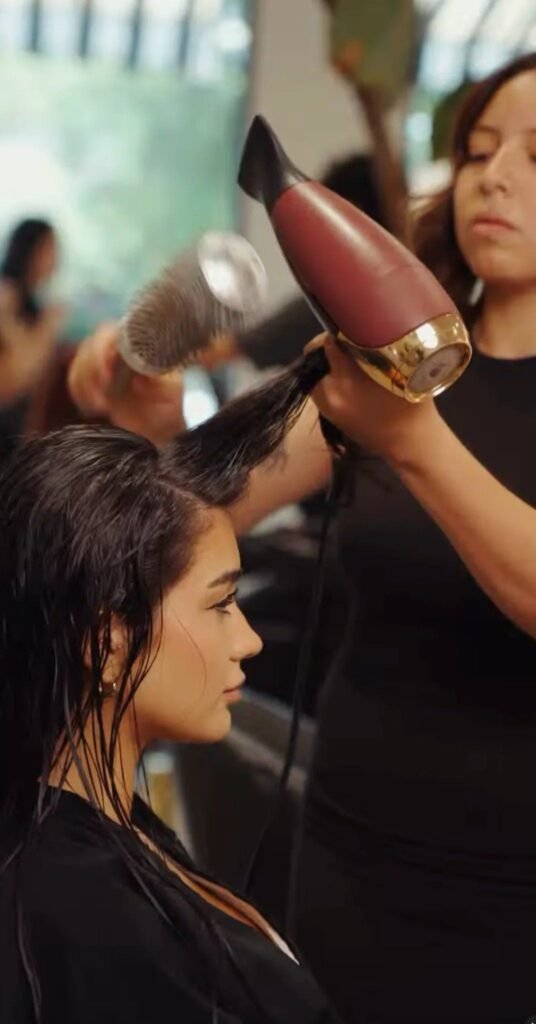
BLOG What to Expect During a Keratin Treatment Appointment keratin treatment appointment, keratin hair treatment, keratin treatment process, keratin treatment aftercare, frizz control hair treatment Smooth, polished hair during a professional keratin treatment, finished with a blow-dry for shine and frizz control. If you’re considering a keratin treatment but haven’t booked yet, you’re probably wondering what the appointment is actually like. You may be asking how long it takes, how your hair will feel afterward, and what happens once you sit in the chair. Below is a clear, honest walkthrough of a keratin treatment appointment so you can feel confident before scheduling. For clients exploring professional hair care options in The Heights, understanding the process ahead of time often makes the decision easier. Why Clients Choose a Keratin Treatment A keratin treatment helps smooth frizz, improve manageability, and add shine without permanently straightening the hair. Many clients choose this service because it makes styling easier, reduces daily heat stress, and helps hair hold up better in humidity. When performed correctly, the treatment supports hair health by improving surface texture and overall smoothness rather than covering up underlying issues. This is why many guests researching professional salon services feel more comfortable booking after learning how the process works. Some clients like to review what keratin treatments are before booking, especially to better understand how keratin works with the hair’s natural structure. How Long the Appointment Takes Most keratin treatment appointments take two to three hours, depending on hair length, density, and texture. Thicker or longer hair usually requires more time, while finer hair often finishes sooner. Because of this, it’s best to plan ahead and allow enough time to enjoy the full service without feeling rushed. Step One: Deep Cleansing The appointment begins with a clarifying shampoo. This step removes buildup, excess oils, and residue so the keratin can bond evenly to the hair. At this stage: Hair is washed thoroughly Conditioner is skipped intentionally Hair may feel extremely clean or slightly dry Although this may feel different from a regular wash, it prepares the hair properly for the next step. Step Two: Keratin Application Next, the stylist applies the keratin formula section by section. During this stage, the application is adjusted based on your hair’s condition, texture, and goals. After application, the product processes for a set amount of time while the stylist monitors how the hair responds. This controlled approach helps ensure consistent results, especially for clients new to in-salon smoothing treatments. Step Three: Blow-Dry and Heat Sealing Once processing is complete, the hair is blow-dried fully. Afterward, a flat iron seals the keratin into the hair cuticle. This step is essential because it activates the smoothing effect and helps the results last longer. The stylist adjusts the heat level based on hair type, so the process feels warm but not uncomfortable. What Your Hair Looks and Feels Like After After the treatment is finished, most clients notice: A smoother texture Less frizz Increased shine Hair that styles faster and more easily Importantly, the hair should still move naturally. A keratin treatment improves manageability without leaving hair stiff or flat. Aftercare and Maintenance Before you leave, your stylist explains how to care for your hair after the appointment. Depending on the formula used, you may need to: Wait a specific amount of time before washing Use sulfate-free shampoo Limit exposure to saltwater or chlorine With proper care, results typically last two to four months. Many clients who value long-term hair maintenance find this step just as important as the treatment itself. Is a Keratin Treatment Right for You? Keratin treatments work especially well if you: Struggle with frizz or humidity Want smoother hair without permanent straightening Spend time heat styling Prefer lower-maintenance styling routines During a consultation, your stylist can confirm whether this treatment aligns with your hair type and expectations. You can also explore more details through local salon resources that explain different smoothing options. Frequently Asked Questions How long does a keratin treatment appointment take? A keratin treatment appointment typically lasts between two and three hours. The exact time depends on hair length, thickness, and texture. Longer or denser hair may require additional time to ensure even application and proper heat sealing. Will my hair feel damaged after a keratin treatment? When applied correctly, a keratin treatment should not leave hair feeling damaged. Instead, most clients notice smoother texture, increased shine, and improved manageability. Following aftercare instructions helps maintain hair health. How long do keratin treatment results last? Results usually last between two and four months. Longevity depends on hair type, washing habits, and product use. Sulfate-free shampoos and gentle styling help extend the results. Can I wash my hair right after the appointment? This depends on the formula used during your appointment. Some treatments allow same-day washing, while others require a short waiting period. Your stylist will explain the correct timing before you leave. Final Thoughts A keratin treatment appointment is straightforward, personalized, and focused on improving how your hair looks and feels every day. By understanding the process ahead of time, you can approach the appointment with confidence and realistic expectations. If you’re ready to explore whether a keratin treatment fits your goals, learning more through expert salon guidance is a natural next step.
Discover the Best Keratin Treatment Near Me for Smooth, Healthy Hair
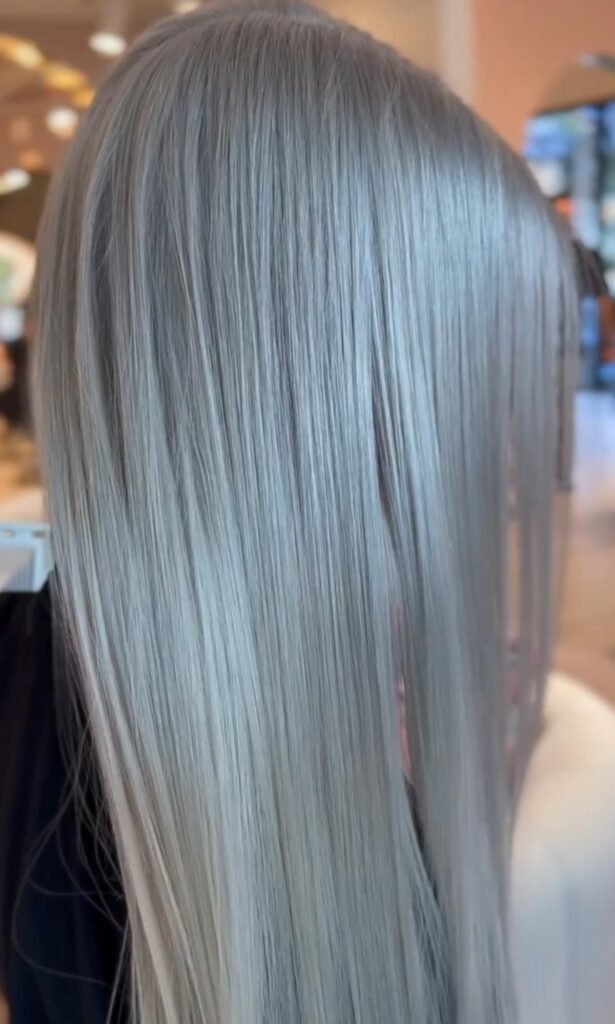
BLOG Discover the Best Keratin Treatment Near Me for Smooth, Healthy Hair Silky, smooth, and frizz-free ✨ This keratin treatment transforms hair into a sleek, glossy finish that lasts—even in Houston humidity. So, you’re searching for a transformative way to achieve smoother, healthier hair? You’re not alone. Here in Houston, battling frizz and dry hair can feel like a full-time job (thanks, humidity!). Enter the keratin treatment – it might just be the hair hero you need for a sleeker look. Whether you’re dealing with stubborn frizz, heat-damaged strands, or you simply want a glossy finish, this professional smoothing treatment can make a dramatic difference. But getting great results isn’t just about the treatment itself – it’s also about where you go. Finding the right hair salon for a keratin treatment near me can make all the difference. With experienced stylists providing tailored hair treatment services, you can repair damage, boost your hair health, and finally achieve your ultimate hair goals (like hair that actually behaves itself in the morning). What Is a Keratin Treatment and How Does It Benefit Your Hair? Understanding Keratin Smoothing Treatments A keratin treatment is a professional salon service that infuses your hair with keratin – the same protein your hair is made of – to smooth and strengthen each strand. Think of it like filling the tiny gaps in a damaged road, but the road is your hair. By sealing the cuticle (the outer layer of each hair), a keratin hair treatment helps repair damage caused by heat styling, hair color chemicals, or even environmental stress. The result is hair that not only looks healthier but actually ishealthier. Stronger strands mean less breakage, which can promote healthier hair growth over time and bring back your hair’s natural luster. One huge benefit of keratin smoothing treatments is how they virtually erase frizz and make hair far more manageable. It doesn’t matter if you have curly hair, wavy locks, or pin-straight strands – keratin works for all hair types to add incredible shine and a silky texture. Many people also love that their blow-dry and styling dry time goes way down after a keratin treatment. If you have a busy lifestyle (or just don’t want to spend ages with a flat iron each morning), this is a game-changer. Keratin treatments are also great for tackling specific hair needs. For example, if you struggle with chronically dry hairor even some hair loss/thinning, the hydrating and strengthening effects of the treatment can improve your hair’s texture and overall health. It’s a versatile option that enhances your natural beauty while giving you smooth, manageable hairfor weeks (sometimes even months). In short, this salon service does an amazing job at transforming your mane into the healthy, easy-to-style hair you’ve always wanted. How It Compares to Other Smoothing Services Now, you might be wondering how keratin treatments stack up against other ways to get smooth hair. For starters, unlike spending time with a flat iron every morning (only to have the frizz creep back by noon), a keratin treatment gives you results that last. It’s not just a one-day fix. You’ll wake up with smoother, straighter hair day after day, without needing to wrestle with it in front of the mirror. In the long run, it’s actually pretty cost-effective – think of all the time and heat damage you’ll save when your hair is already shiny and sleek from the treatment! What about other salon smoothing services, like a Brazilian Blowout? Keratin treatments can often be a gentler option. Both treatments tame frizz, but Brazilian Blowouts sometimes use stronger chemicals that can be harsh on sensitive hair. The keratin formulas tend to be less intense, which is great if you have fine or damaged hair and want to avoid too much stress on your strands. Another bonus: keratin treatments are versatile. You can even combine them with other salon treatments for extra benefit. For instance, some clients pair their keratin service with a nourishing Deep Conditioning Treatment for an extra boost of hydration and softness. In the end, keratin gives you smooth, glossy results without some of the downsides that other methods might have. How to Find the Right Hair Salon for a Keratin Treatment Near Me What to Look for in Salon Professionals When choosing where to get your keratin treatment, keep an eye out for a few key things: Experienced Salon Professionals: Look for professional hair stylists with years of experience – especially with keratin treatments. A stylist who knows how to work with all hair types, hair textures, and curl patterns will be able to tailor the service to your unique hair needs. Expertise matters, so choose a salon team that really knows their stuff (your hair will thank you!). Range of Hair Services: It’s often a good sign when a hair salon offers a variety of hair services beyond just one treatment. Top salons can do everything from a basic haircut and root touch-ups to advanced hair color services and Color Correction. Having a one-stop shop for all your hair needs is super convenient – you can address multiple hair goals in a single visit. Outstanding Customer Service: Pay attention to how the salon treats you. From the first phone call or online chat, you should feel welcome. Great salons offer little luxuries like a relaxing shampoo service and a thorough, personalized consultation before any treatment. During your visit, you want stylists who listen to your hair goals, answer your questions, and make you feel pampered. Outstanding customer service turns a hair appointment from a chore into a pleasure. Extra Perks: The best salons often have fun extras that show they value their clients. These might include loyalty rewards, birthday perks, or gift card specials for holidays. Some places even throw in a free bang trim or fringe touch-up between major cuts. While these perks aren’t everything, they do make the overall experience more rewarding (and they tell you that the salon cares about keeping you happy). Booking an Appointment Today Good news: in a big city like Houston, there are select locations (like Studio A Salon) that specialize in keratin smoothing treatments, so finding an expert nearby is easier than ever. Once you’ve picked your salon, scheduling your visit should
How Much Does a Keratin Treatment Cost in Houston?
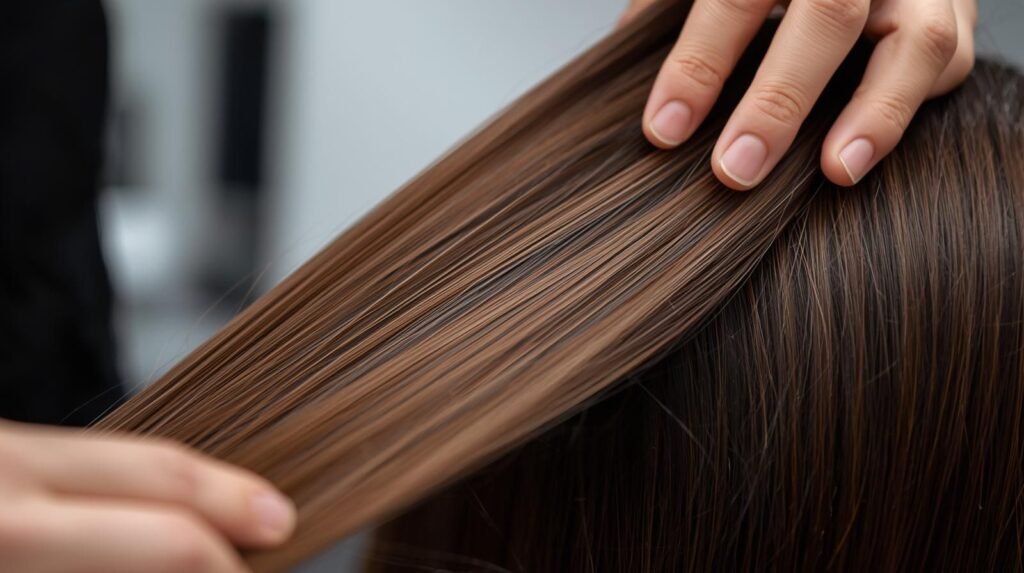
BLOG How Much Does a Keratin Treatment Cost in Houston? Smooth, healthy-looking hair after a professionally applied keratin treatment designed to reduce frizz and improve manageability. If you’re considering a keratin treatment, cost is often the deciding factor. However, price alone rarely tells the full story. In a professional salon, you’re paying for hair health, longevity, and results tailored to your hair type and lifestyle. Below, we explain what affects the keratin treatment cost in Houston, what to expect from the service, and how to decide whether it’s the right investment for you. What a Keratin Treatment Does for Your Hair A keratin treatment smooths and softens hair by reducing frizz, improving manageability, and enhancing shine. While it doesn’t permanently straighten hair, it can significantly reduce styling time and help hair look healthier and more polished. Keratin treatments are designed to smooth the hair by temporarily filling in porous areas along the hair shaft, which helps reduce frizz and improve manageability, according to Medical News Today. When applied correctly, the treatment: Helps protect hair from humidity Improves smoothness without removing natural movement Makes blow-drying and daily styling easier Leaves hair feeling softer and more resilient Because hair health plays a central role, professional application and product selection matter just as much as the cost. If you want a clearer idea of timing, steps, and aftercare, this guide explains what to expect during a keratin treatment appointment from start to finish. Average Keratin Treatment Cost in Houston In Houston, keratin treatments typically fall within a mid-to-high price range. Rather than offering a flat fee, most salons price the service based on time, product usage, and customization. As a result, pricing often depends on: Hair length and density Current hair condition, including color treatment or damage The specific keratin formula used The time required to complete the service For this reason, many salons recommend a consultation before confirming pricing, especially for longer or thicker hair. Why Keratin Treatment Prices Vary Between Salons If you’ve noticed wide price differences, that variation is normal. In most cases, it reflects differences in quality, experience, and approach. Higher-priced services often include: Professional-grade, formaldehyde-free formulas Customized application based on hair goals Stylists trained specifically in smoothing treatments Controlled heat settings that protect hair integrity On the other hand, lower-priced options may limit customization or use faster processing methods, which can affect both results and long-term hair health. How Long Results Last and Why That Affects Cost A professionally applied keratin treatment can last several weeks to a few months. The exact duration depends on hair type, lifestyle, and aftercare habits. When viewed over time, many clients find the cost worthwhile because the treatment reduces daily styling, heat exposure, and product use. Additionally, using sulfate-free shampoo and following stylist-recommended maintenance helps extend results and protect the condition of the hair. Is a Keratin Treatment Worth the Cost for You? A keratin treatment is often a good fit if: Frizz is a consistent concern You want smoother hair without permanent straightening You style your hair regularly and want easier upkeep Humidity affects your hair year-round However, it may not be the best option if you’re looking for pin-straight results or prefer a completely maintenance-free routine. Why Choosing the Right Salon Matters Ultimately, the quality of a keratin treatment depends more on the stylist than the price tag. The best results come from professionals who assess your hair honestly, use high-quality products, and prioritize long-term hair health. At Studio A Houston, we focus on customized smoothing treatments designed for real hair, real routines, and Houston’s climate. Ready to find out if a keratin treatment is right for you?Book a consultation to get personalized guidance before committing.
How Long Should You Wait Between Hair Color Appointments?
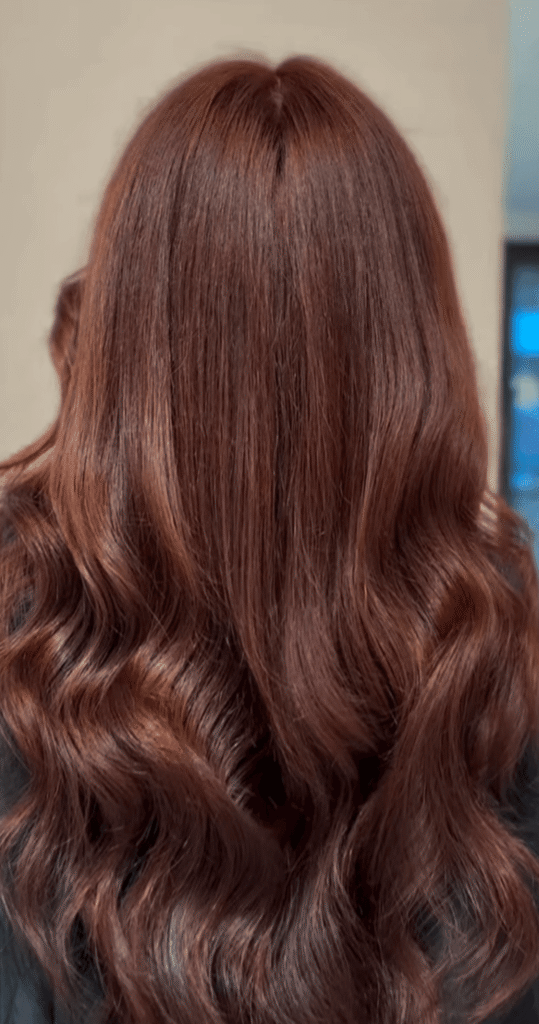
BLOG How Long Should You Wait Between Hair Color Appointments? One of the most common questions clients ask is, “How long should I wait before coloring my hair again?” The answer isn’t one-size-fits-all. In reality, your ideal timeline depends on the type of color you have, how quickly your hair grows, and how well you maintain it between visits. When appointments are timed correctly, your hair stays healthy, vibrant, and consistent. However, waiting too long or going too often can lead to unnecessary damage, uneven results, or costly corrective services. If you’re unsure about your ideal maintenance schedule, scheduling a consultation at Studio A Houston can help create a personalized color plan tailored to your hair goals First, How Fast Does Hair Grow? On average, hair grows about half an inch per month. However, growth rates vary depending on genetics, age, hormones, and overall health. Because of this, some people see roots quickly while others can stretch appointments longer. Understanding your growth pattern is the foundation for building a smart color schedule. Root Touch-Ups and Gray Coverage If you wear a single-process color, especially for gray coverage, roots typically become noticeable around week four. Most clients benefit from returning every 4–6 weeks. This timing works because: Gray hair contrasts strongly against darker shades Regrowth beyond one inch can become harder to blend Consistency prevents banding Additionally, gray hair tends to be coarser and more resistant. Therefore, staying on schedule ensures better coverage and more predictable results. If you regularly wait 8–10 weeks, your stylist may need to adjust the formula or processing time to correct uneven regrowth. Highlights (Traditional Foil Services) Highlights offer more flexibility because they are woven through the hair rather than applied as a solid base. As a result, regrowth appears softer. Most highlight clients return every 8–12 weeks for a full refresh. However, tone maintenance is just as important as placement. Between highlight services, many people benefit from: A toner appointment A gloss to restore shine A conditioning treatment This approach allows you to maintain brightness without over-lightening the hair. t amet, consectetur adipiscing elit. Ut elit tellus, luctus nec ullamcorper mattis, pulvinar dapibus leo. Balayage and Lived-In Color Balayage is intentionally designed for longevity. Because the lightened pieces begin lower on the hair, grow-out appears natural and gradual. Clients with balayage often wait 10–16 weeks before another full lightening session. Nevertheless, tone still shifts over time due to washing, heat styling, and environmental exposure. To maintain that effortless finish, consider: Gloss refreshes every 6–8 weeks Face-framing touch-ups if brightness fades Deep conditioning treatments to preserve shine Low maintenance does not mean no maintenance — it simply means fewer full services. Platinum Blonde and High-Lift Blondes Platinum requires the most discipline. Because lightening happens directly at the root, appointments should be scheduled every 4–6 weeks without delay. Once regrowth exceeds about one inch, the risk of uneven lift increases. Waiting too long can cause: Banding Uneven color Breakage from overlapping bleach In this case, strict consistency protects both appearance and hair integrity. Reds, Coppers, and Fashion Shades Vibrant tones fade faster due to how pigment molecules interact with the hair shaft. Reds and coppers begin to soften within four to six weeks, while pastels may fade even sooner. Most fashion color clients schedule refreshes every 4–8 weeks, depending on vibrancy goals. To extend color longevity: Use sulfate-free shampoo Wash less frequently Avoid excessive heat styling Protect hair from sun exposure These habits can significantly delay fading. What Happens If You Color Too Often? Although frequent refreshes may seem beneficial, over-processing can weaken the hair structure. Lightening removes natural pigment and alters protein bonds, so hair needs recovery time. When appointments are spaced too closely, hair may become: Dry Brittle More porous Prone to breakage Healthy hair retains color better. Therefore, patience often leads to longer-lasting vibrancy. What Happens If You Wait Too Long? On the other hand, excessive delay can complicate your next appointment. Large regrowth areas may require additional blending, especially with blonde services. Waiting too long can lead to: Uneven lift Harsh lines Additional product use Higher service cost Moderate consistency is typically the most cost-effective approach. General Timing Guide While personalization is key, here’s a helpful overview: Root color / gray coverage: 4–6 weeks Traditional highlights: 8–12 weeks Balayage: 10–16 weeks Platinum blonde: 4–6 weeks Reds and coppers: 4–6 weeks Fashion colors: 4–8 weeks Toner or gloss refresh: 6–8 weeks Use this as a framework — not a strict rule. FAQs About Hair Color Timing How long should I wait to recolor my hair after a full color service? For permanent single-process color, waiting at least four weeks is typically recommended. This allows hair to recover and prevents unnecessary overlap. While general timelines vary, understanding how often you can safely dye your hair helps prevent over-processing and long-term damage. Can I color my hair every two weeks? Coloring every two weeks is generally not advisable unless it’s a gentle gloss or toner. Frequent permanent color application can cause dryness and breakage. Is it bad to wait too long between appointments? Waiting too long can make blending more difficult, particularly for gray coverage or platinum services. However, for balayage, longer spacing is often intentional. How do I know if I need a toner instead of full color? If your roots look fine but your blonde appears brassy or dull, a toner or gloss may be all you need. This refreshes tone without reprocessing the entire head. Does washing my hair every day affect how soon I need an appointment? Yes. Frequent washing fades color faster. Reducing shampoo frequency can extend your time between visits. Can I safely stretch my appointments? Yes, depending on your color type. Balayage and dimensional highlights are designed for longer intervals, while platinum and gray coverage require stricter scheduling. Final Thoughts The best hair color schedule is one that supports both beauty and hair health. Instead of reacting to visible roots, work proactively with your stylist to build a maintenance plan tailored to your lifestyle and goals. Consistency keeps your color
Haircuts That Make Thin Hair Look Fuller in Houston
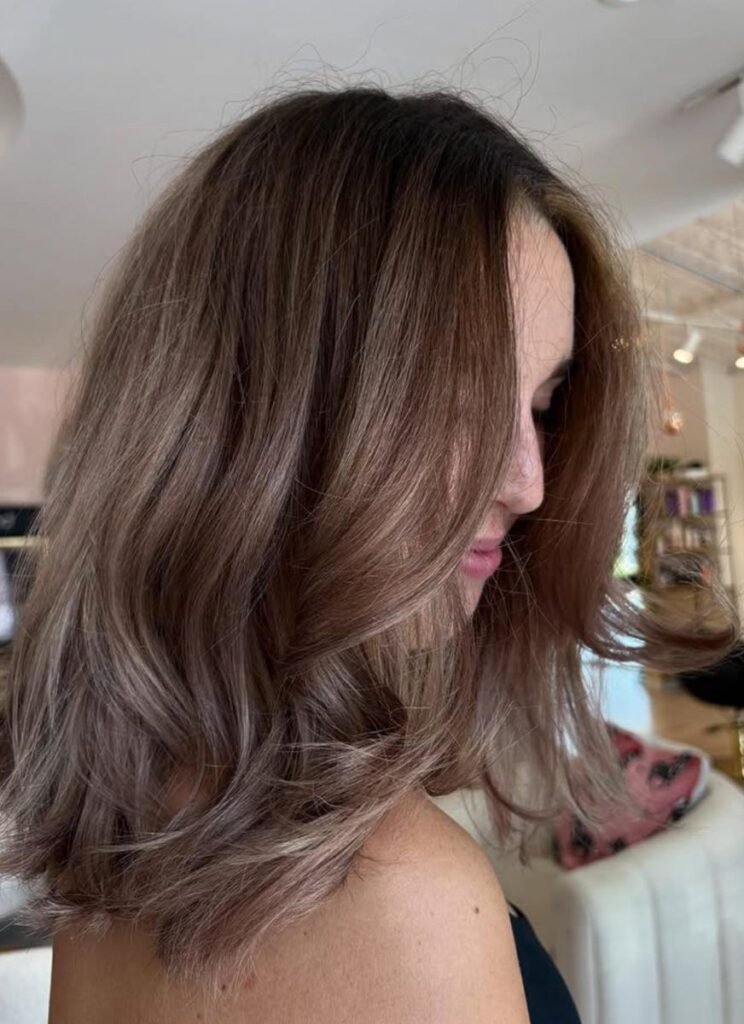
BLOG Haircuts That Make Thin Hair Look Fuller in Houston Soft layered haircut designed to create movement and fuller-looking volume for thin hair. Nearly half of women notice some degree of reduced hair density by midlife. Dermatologists note that genetics, hormones, aging, and stress can all contribute to changes in hair thickness over time. Understanding hair loss causes and treatments can provide helpful context when evaluating whether a haircut, styling method, or haircare routine will create the most flattering appearance for fine or thinning hair. That is especially true in Houston, TX, where heat, frizz, and Houston humidity can quickly expose a weak perimeter line or sparse ends. This guide is built for discover intent, so you can compare flattering options before booking a salon consultation in Downtown Houston, The Heights, or anywhere else in the city. How We Chose the Best Haircuts for Thin Hair in Houston Thin hair, fine hair, and thinning hair do not all behave the same way, so the selection criteria had to go beyond trend appeal. We focused on haircut shapes that improve volume, preserve density, support movement, and stay practical between appointments. A good women’s haircut for low-density hair should create the illusion of thickness without relying on heavy styling effort. That usually means a strong perimeter line, controlled layers, and a shape that supports root lift and crown volume instead of collapsing by midday. Houston-specific conditions also mattered. In Houston, TX, a haircut has to survive humidity, heat, and frizz while still looking intentional after air-drying, a quick blowout, or a simple round brush routine. We also considered face shape versatility and grow-out. Many readers exploring haircuts in Houston want a professional haircut that works for the office, weekends, and social events without constant maintenance. What Makes a Thin-Hair Haircut Work The best cuts for thin straight hair, thin curly hair, and fine hair all share one principle: they keep enough weight where it counts. Strong ends, strategic texture, and smart shape create body and fullness without making the hairline or scalp more visible. Cuts usually fail when they remove too much bulk through over-layering, over-thinning, or aggressive texturizing. Once the ends turn wispy, the whole haircut can read flatter and older. Houston-Specific Considerations Houston humidity can flatten roots in straight hair and create frizz in wavy hair or curly hair. That is why low-maintenance haircut structure matters more here than a style that only looks good right after leaving the hair salon. Most readers want a cut that looks fuller with minimal daily effort. A shape that holds itself well often matters more than adding more product. Blunt Bob The blunt bob remains one of the most reliable choices for thin hair because it makes the perimeter look thicker right away. By keeping the edge clean and solid, this bob creates fuller-looking ends even when the overall density is limited. It works especially well on straight hair and slightly wavy hair. A chin-length version can make fine hair look sharp and modern, while a longer classic bob just above the shoulders gives a little more softness and versatility. For many Houston haircuts for women, this is the safest choice when the goal is visible fullness with manageable maintenance. It also suits readers who want short hair without committing to a very cropped look like a pixie cut. Pros of a Blunt Bob Creates instant fullness at the perimeter. Helps thin hair look denser and more polished. Easy to wear for work, events, and everyday styling. Holds shape well in Houston heat when regularly trimmed. Cons of a Blunt Bob Can look flat without some root lift at the crown. Needs regular trim frequency to keep the line crisp. Too much internal texturizing can weaken the effect. Textured Lob A lob gives you some length without the heaviness that often comes with long hair. That balance makes it one of the best haircuts for thin hair when you want movement and flexibility without sacrificing too much body at the ends. Soft texture can help a textured lob feel airy instead of limp. The key is restraint, because too many layers can quickly turn a flattering lob into a shape with stringy ends. This cut is a strong option for readers who switch between air-drying, loose waves, and a blowout. It also flatters many face shapes, which is why it remains a common stylist recommendation at salons across Houston. Pros of a Textured Lob Balances fullness and versatility better than very long styles. Works well with straight hair, wavy hair, and some thin curly hair. Grows out more gracefully than shorter cuts. Pairs well with face-framing layers when kept subtle. Cons of a Textured Lob Over-layering can make the ends appear thinner. Often needs a styling product for separation and body. Can lose shape if the length drops too far past the shoulders. Pixie Cut A pixie cut can make thin hair look intentional rather than lacking. By shifting attention to crown volume and shape on top, it reduces the visual contrast between fuller roots and sparse ends. This is one of the strongest options for readers open to short hair and a more style-forward finish. A textured pixie cut, in particular, can create lift, texture, and movement while keeping the sides and nape cleaner. In Houston humidity, the shorter length can be a real advantage. There is simply less hair to flatten, frizz, or weigh down, which makes the pixie a smart low-maintenance haircut for busy routines. Pros of a Pixie Cut Maximizes root lift and crown volume. Minimizes the problem of thin, see-through ends. Fast to style in heat and humidity. Can look modern, confident, and polished with little effort. Cons of a Pixie Cut Requires frequent trims to keep the shape sharp. Grow-out stages need planning and styling. Not ideal for anyone uncomfortable with a shorter silhouette. Short Shag A short shag can work beautifully on fine hair when the layers are controlled and the shape is built with purpose.
Box Dye vs Salon Hair Color in Houston: Cost, Results & What Stylists Recommend
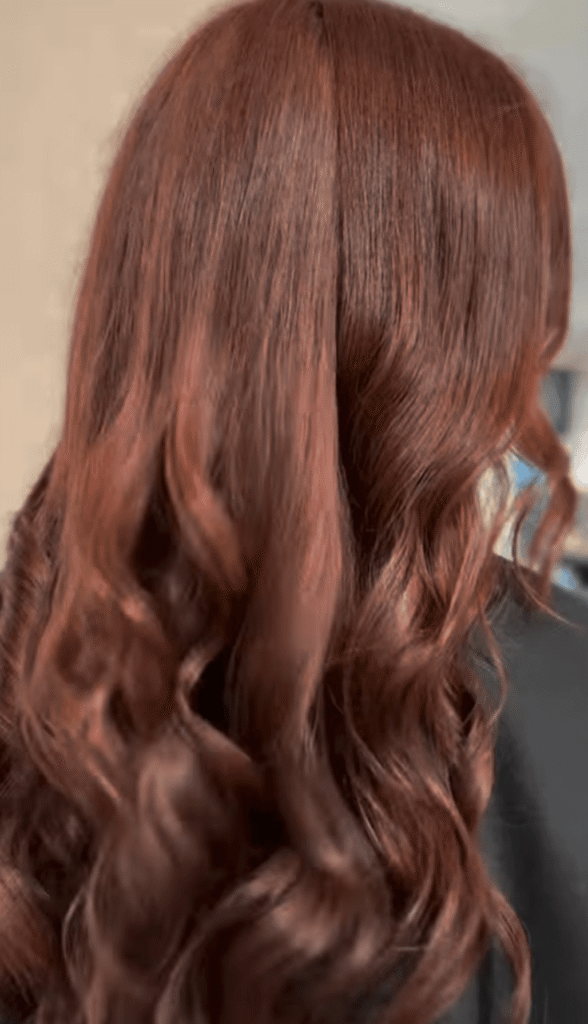
BLOG Box Dye vs Salon Hair Color in Houston: Cost, Results & What Stylists Recommend Example of salon-quality hair color showing even tone, shine, and healthy finish compared to typical box dye results. Choosing between box dye vs salon hair color in Houston usually comes down to cost, time, and risk. When weighing Box Dye vs Salon Hair Color: What Houston Stylists Want You to Know, the biggest difference is not just price, but how predictable the result will be on your specific hair. A box dye can be convenient, easy to buy, and budget-friendly for simple maintenance. Salon hair color costs more upfront, but it offers custom color, skilled application, and a lower chance of uneven tone, banding, breakage, or expensive color correction later. Houston stylists see the same issues repeatedly after DIY hair color: hot roots, orange bands, muddy color, and too-dark ends from color buildup. The right choice depends on your goals, hair history, budget, and whether you want a subtle root touch-up or a bigger hair transformation. When comparing box dye vs salon hair color in Houston, the real difference comes down to predictability, customization, and long-term hair health—not just price. Box Dye vs Salon Hair Color in Houston: Quick Answer Box dye is designed for convenience, while professional hair color is designed for precision. That difference affects everything from gray coverage to tone retention and long-term hair health. For a basic single-process color close to your current shade, box dye may work on healthy, untreated hair. For going lighter, gray blending, balayage, highlights, bleach services, or correcting previous color, salon color is usually the safer and more cost-effective choice over time. Who This Comparison Helps Most This comparison is especially useful for people covering gray at home, brunettes trying to go lighter, and anyone deciding between cost and convenience versus even results. It also matters for anyone with previous color, relaxers, bleach, damage, or porous ends that may react unpredictably to permanent color. If your hair has a history of chemical services, the risk is higher than most box instructions suggest. That is where experienced stylists and a consultation can prevent a small color change from turning into a correction service. The Chemistry Behind the Results Hair color chemistry is not simple, even when the box makes it look easy. Pigment, developer, porosity, natural level, undertone, previous color, and processing time all affect the final result. Salon hair color is mixed for the individual, while box dye uses a one-size-fits-most formula made for mass-market use. Two people can apply the same shade name and get very different results because hair structure, chemical composition, and existing pigment are different. Custom Blends vs. Pre-Mixed Color With custom blends, a colorist can adjust the base, tone, additive, and deposit level based on your goal and your hair’s condition. That customized formula can also account for brassiness, gray percentage, resistant roots, or porous mids and ends. Pre-mixed color has less flexibility by design. That can increase the chance of unwanted warmth, flat color, or a result that turns darker than expected. Developer Strength Matters Developer strength changes how much lift or deposit happens during coloring. In salons, adjustable developer options help match the service to the hair’s elasticity, porosity, and integrity. A fixed developer in a box may be too aggressive for fine or damaged hair and too weak for resistant gray or darker natural levels. That mismatch is one reason DIY results often look uneven. Box Dye vs Salon Hair Color in Houston: Cost Comparison The shelf price of box dye is clearly lower than a salon visit. The problem is that long-term cost is not measured by one purchase, but by what you spend after repeated applications, fading, and correction. DIY hair color can become expensive when overlapping permanent color causes dryness, dark ends, or patchy gray coverage that needs professional help. A color correction appointment often costs more than getting the right formula from the start. When Box Dye Seems Cheaper Box dye appeals to people who want a quick root touch-up, easy access, and predictable budgeting. If your hair is healthy, untreated, and you stay very close to your natural shade, the lower upfront cost can make sense. It also works for people who value speed over customization. For some routines, that tradeoff feels worth it. When Salon Color Saves Money Salon color often gives better value for highlights, balayage, gray blending, toner services, gloss refreshes, and major color changes. Fewer mistakes, less product waste, and longer-lasting color can reduce the need for emergency fixes. That matters even more if you have previous color or want to go lighter. Once black box dye or heavy color buildup enters the picture, the price of correction rises fast. Box Dye vs Salon Hair Color in Houston: Hair Health Comparison If the question is which option is healthier, salon color usually wins. Professional formulas are selected and applied based on hair health, history, and realistic lift goals. Damage does not come only from the dye itself. It also comes from poor sectioning, overlapping permanent color, using the wrong developer, incorrect processing time, and weak aftercare habits. Research published by the National Institutes of Health shows that chemical hair treatments can impact hair structure and integrity, especially when not properly matched to the hair type or condition. Why Professional Formulas Can Protect Hair Structure Stylists assess porosity, elasticity, previous color, and signs of stress in the cuticle before choosing a formula. They may use lower-impact options, semi-permanent color, ammonia-free color, bond-supporting treatments, toner, or gloss services depending on what your hair can handle. Professional brands also offer more control over chemical composition and pH balance. That control helps protect hair structure while still achieving the target tone. Common Signs of DIY Damage Common problems include dryness, breakage, muddy color, hot roots, banding, and overly dark ends. When hair is compromised, it does not absorb or reflect pigment evenly, which makes future color services harder. Porous ends are especially vulnerable. They
How Houston Hard Water Affects Your Hair
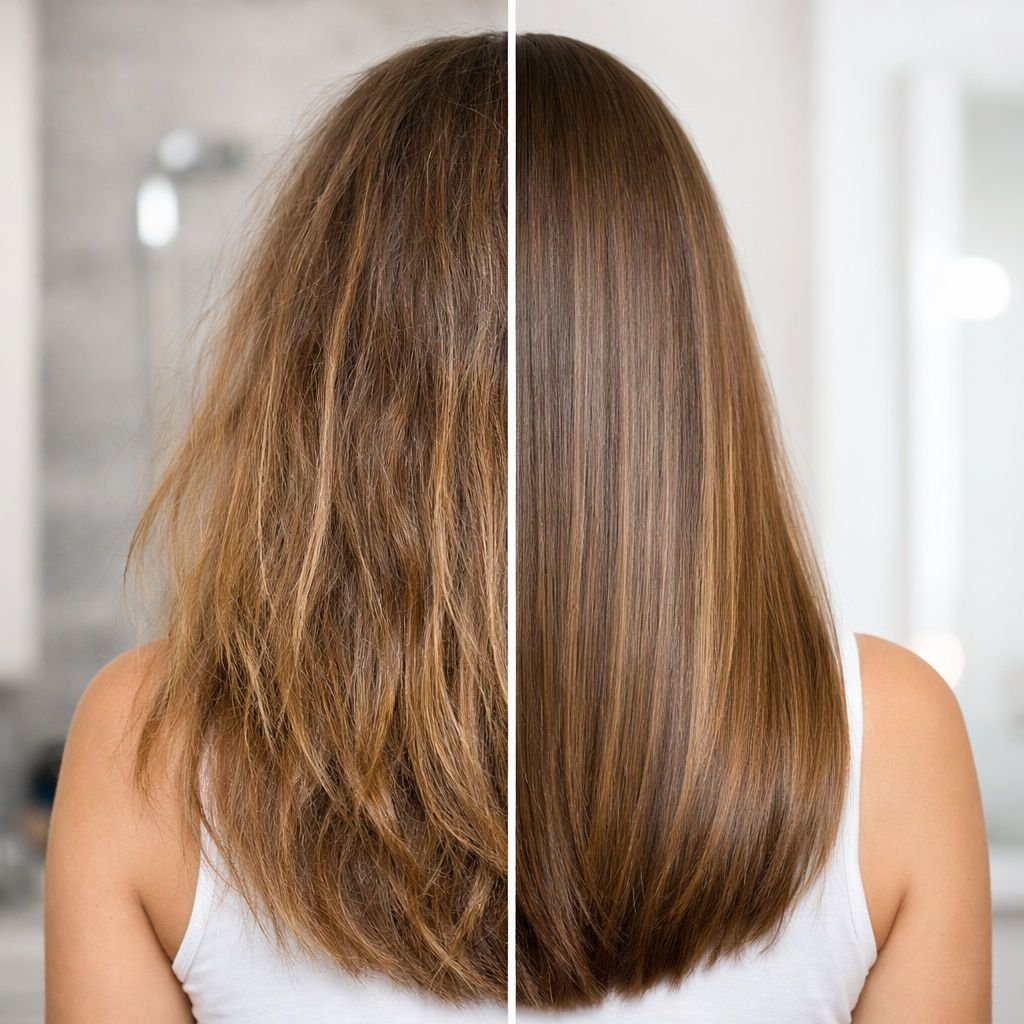
BLOG How Houston Hard Water Affects Your Hair hard water hair Houston, hard water hair problems, chelating shampoo, hair buildup, dull dry hair, frizzy hair hard water, itchy scalp hard water, hair breakage causes, water softener hair, shower filter hair Houston, TX water can leave your shower door spotted, your faucets crusted with limescale, and your hair strangely rough even after a fresh wash. If your strands feel dry, dull, tangled, or coated, water hardness may be part of the problem. Many homes across Texas deal with hard water, which means the water contains higher levels of dissolved minerals such as calcium and magnesium. Those minerals do not just affect plumbing and glassware. They can also cling to the hair shaft, disrupt the hair cuticle, and make a normal hair care routine feel less effective. That is why some Houston residents notice buildup, poor lather, scalp issues, and a steady loss of softness or shine. Why Hard Water Is a Common Hair Issue in Houston Hard water is water with elevated mineral content, most often calcium and magnesium. In Houston, that mineral-heavy water can show up in everyday ways, from soap scum on tile to hard water deposits around showerheads. Hair often becomes one of the first places people notice the effects. Shampoo may not rinse as cleanly, conditioner may seem less effective, and strands may start to feel stiff or dehydrated over time. This matters because repeated exposure usually causes more trouble than one bad wash. A single shower rarely changes much, but week after week of mineral residue can affect texture, moisture retention, and scalp comfort. What Hard Water Means for Daily Hair Care In simple terms, hard water is water loaded with minerals. Soft water has fewer of those dissolved minerals, so cleansers rinse more easily and hair usually feels smoother after washing. With hard water, shampoo can struggle to lather well, especially if you already use rich products or have buildup on the scalp. That poor lather often leaves behind shampoo residue, which mixes with minerals and creates even more residue. Repeated washing in hard water can strip away protective oils while still leaving deposits behind. That combination is frustrating because hair can feel both dry and coated at the same time. For many people, the issue builds slowly. You may not connect your rough texture or fading color to water hardness until your weekly wash routine stops giving you the same results it once did. What Hard Water Does to Hair and Scalp Hard water does not usually damage hair in the same way bleach or high heat can. Instead, it creates conditions that lead to hair damage over time by leaving mineral buildup on the hair shaft and scalp. Those minerals can cling to the surface of the hair and make strands feel rough, stiff, or waxy. The buildup can also block moisture from getting in, which affects softness, elasticity, and shine. When residue sits on the scalp, cleansing gets less efficient. Shampoo, conditioner, natural oils, and minerals can all collect together, which may contribute to scalp irritation, dry scalp, itchy scalp, flakes, and a general feeling that your hair is never truly clean. How Minerals Affect the Hair Cuticle The outer layer of each strand is called the hair cuticle. When calcium and magnesium leave residue behind, the cuticle can become rougher and less uniform. That roughened surface makes hair more likely to catch on itself, which leads to frizz, tangles, and reduced shine. Hair may also look dull because light does not reflect as evenly off a coated or lifted cuticle. This is one reason brittle hair and breakage can become more common in hard water homes. When the cuticle stays rough and dehydration sets in, strands lose slip and become easier to snap during brushing or styling. How Hard Water Affects the Scalp The scalp can react to hard water too. Residue from minerals and poor rinsing may leave skin feeling tight, itchy, or flaky. Not every flake is dandruff. In many cases, what looks like dandruff may actually be dryness, shampoo residue, or scalp irritation linked to hard water deposits. The scalp also depends on a healthy protective skin barrier. When harsh cleansing, residue, and dehydration happen together, that barrier can become stressed, which may increase discomfort after washing. Signs Houston Hard Water May Be Affecting Your Hair A lot of people blame their products first. Sometimes the bigger issue is the water those products are mixing with every day. If you live in Houston and your hair has changed without a major shift in color services, heat styling, or hormones, hard water is worth considering. The clues are often visible at home and easy to compare over a few weeks. Visible and Texture Changes The most common signs show up in how hair looks and feels. Dull hair that lacks shine even after conditioning Dry hair that feels thirsty soon after washing Brittle hair that snaps more easily during detangling Frizz that appears even in styles that are usually smooth Tangles that seem worse at the ends and mid-lengths Roughness or a coated feel on freshly washed strands Hair that feels heavy, flat, or limp despite being clean Reduced softness and movement These symptoms can overlap with heat or chemical damage, but there is a difference. Heat styling often causes more obvious split ends and localized dryness, while hard water tends to create an all-over coated texture and dullness from root to tip. Scalp and Shedding Clues Scalp symptoms are another clue that often gets missed. Itchy scalp after washing Dry scalp that feels tight or irritated Flakes that resemble dandruff Scalp irritation that improves when washing elsewhere Breakage around the hairline or crown that looks like hair loss Hair color fading faster than expected Blonde, highlighted, or lightened hair turning brassy Breakage is especially easy to confuse with hair loss. If you see shorter snapped hairs on your shoulders, sink, or brush, the issue may be strand
How Often Should You Refresh Your Balayage
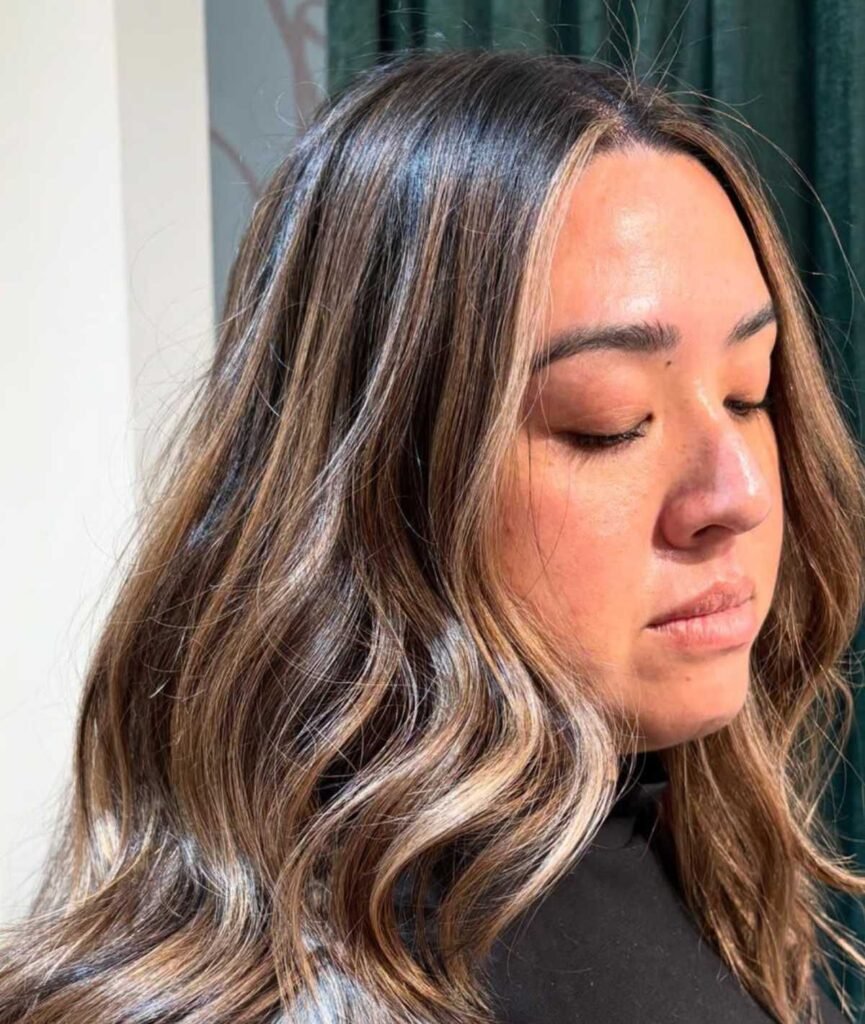
BLOG How Often Should You Refresh Your Balayage Soft, dimensional balayage with natural highlights that grow out effortlessly and keep your hair looking fresh between appointments. Balayage is designed to grow out softly, which is why so many people choose it. It looks natural, blends well, and doesn’t require constant upkeep like traditional highlights. Still, there is a right time to refresh it, and timing matters more than most people think. For most clients, a toner or gloss every 6 to 8 weeks keeps the color fresh, while a full balayage refresh usually happens every 3 to 6 months. The exact timing depends on your hair type, how light you went, and how you care for your hair in between visits. What Does“Refreshing Balayage” Actually Mean? A lot of people think every appointment means redoing the entire color. That’s not how balayage works. There are different levels of maintenance, and each one serves a purpose. Toner or Gloss (Most Common) This is the easiest and most important step. A toner or gloss keeps your color from turning brassy or dull. In Houston, this tends to fade faster because of humidity, sun exposure, and frequent washing. Most of the time, this is all your hair needs. Partial Refresh A partial refresh adds a few lightened pieces back into your hair. It brings brightness back, especially around the face, without overprocessing everything. This is ideal when your color still looks good but has lost some dimension. Full Balayage Refresh This is a full redo of your color. You only need this when your balayage has completely grown out, you want to go lighter, or the dimension is gone. How Often Should You Refresh Your Balayage? Your schedule depends on how you like your hair to look. Every 6–8 Weeks Best for maintaining tone. A gloss or toner keeps your color looking fresh and polished. Every 3–4 Months This is the most common schedule. It maintains brightness and shape without damaging your hair. Every 5–6 Months Works for low-maintenance clients who prefer a softer, more natural grow-out. Signs Your Balayage Needs a Refresh You don’t need to guess. Your hair will tell you. Your blonde looks dull instead of bright You see yellow, orange, or flat tones Your face frame lost brightness Everything blends into one color Your ends feel dry or look overworked If you notice a few of these, it’s time for some level of refresh. The Biggest Mistake: Refreshing Too Often This is where most people go wrong. Refreshing balayage too often can remove natural dimension, make your color look flat, dry out your ends, and lead to breakage over time. The best results come from spacing out lightening and maintaining tone in between. How Houston Weather Affects Your Balayage Houston isn’t easy on hair. Heat, humidity, and sun exposure can fade toner faster, bring out brassiness, and dry out the ends. Because of this, maintenance matters more here than in other cities. Gloss appointments help reset your color without adding damage. Is Balayage the Right Choice for You? If your color fades quickly or doesn’t hold the way you expect, the technique might not be the issue. Sometimes it comes down to choosing the right service from the start. To understand the difference, read balayage vs highlights for dark hair and see which option fits your hair and lifestyle better. Why the Right Salon Makes a Difference Balayage is all about placement and blending. If it’s done right, it grows out beautifully and needs less maintenance. If you want to see what high-quality color looks like, explore best hair color in The Heights Houston and how experienced stylists approach dimension and tone. For a deeper look at what actually matters in a salon, check hair salon in The Heights built on skill not hype, where technique is the priority and results speak for themselves. What Most People Don’t Realize About Balayage The best balayage results don’t come from constant lightening. They come from spacing out services, maintaining tone, and protecting the hair. Many professionals follow approaches similar to how to blend and refresh balayage, focusing on technique instead of repeating the same process every visit. How to Make Your Balayage Last Longer Small habits make a big difference. Use sulfate-free shampoo Avoid washing every day Protect your hair from heat Use purple or blue shampoo when needed Schedule glosses before your color looks dull These steps can extend your balayage by weeks or even months. Final Thoughts Balayage is low maintenance, but it’s not no maintenance. The goal isn’t to refresh it as often as possible. It’s to refresh it at the right time, in the right way. When you do that, your hair stays dimensional, healthy, and easy to manage. FAQs How long does balayage last before needing a refresh? Balayage typically lasts 3 to 6 months before needing a full refresh. Most people maintain it with a toner or gloss every 6 to 8 weeks. Do I need to refresh balayage as often as highlights? No, balayage grows out more naturally, so it requires less frequent full services compared to traditional highlights. Can I wait too long to refresh my balayage? Yes, waiting too long can make the color look dull or uneven. Regular maintenance helps keep brightness and dimension. Is toner enough to refresh balayage? In many cases, yes. A toner or gloss can restore shine and adjust unwanted tones without lightening your hair again. Does Houston weather affect balayage? Yes, humidity and sun exposure can cause tones to fade faster, which is why gloss maintenance is important. Will refreshing balayage damage my hair? Only if it’s done too often. Over-lightening can cause dryness and breakage, which is why spacing out services matters. How do I know if I need a partial or full refresh? If your brightness has faded but your color still looks blended, go for a partial refresh. If everything has grown out, you may need a full service. What can I do at home to maintain balayage?
Best Hair Color in The Heights Houston
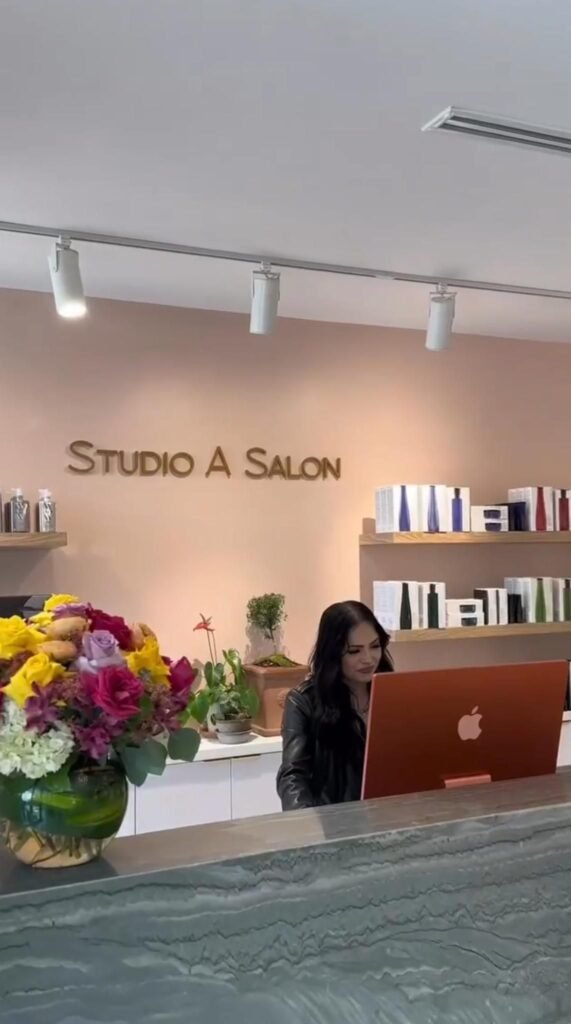
BLOG Apr 02 Best Hair Color in The Heights Houston best hair color the heights Houston, hair color the heights Houston, balayage the heights Houston, hair color services Houston, hair salon the heights Houston Studio A Salon in The Heights Houston, where personalized hair color and professional care come together for beautiful, lasting results Finding the best hair color in The Heights Houston is not just about picking a shade you like. It’s about working with a stylist who understands your hair, your lifestyle, and how Houston’s climate affects your results. At Studio A Salon, the focus is on customized color that looks natural, lasts longer, and grows out beautifully. Whether you are looking for balayage, full color, or a subtle refresh, the approach always starts with a personalized consultation. As a result, your color is designed specifically for you, not copied from a photo. In addition, professional techniques help your hair stay vibrant even with Houston’s humidity, sun exposure, and hard water. What Makes a Hair Color Service the Best? Not all hair color services deliver the same results. In fact, the difference between average and exceptional color comes down to technique, product quality, and experience. The best hair color in The Heights Houston should always be tailored to your skin tone, hair texture, and maintenance preferences. A great stylist does more than apply color. They create dimension, balance tones, and plan for how your hair will look weeks after your appointment. Because of this, your color should grow out softly instead of leaving harsh lines. At Studio A Salon, every color service is designed with long-term results in mind. This means your hair looks just as good between visits as it does the day you leave the salon. Popular Hair Color Services in The Heights Clients in The Heights are choosing modern, low-maintenance color that fits their lifestyle. Instead of overly dramatic or high-maintenance looks, most people prefer natural, dimensional results. Balayage remains one of the most requested services because it creates soft, blended highlights that grow out seamlessly. Full color is another popular option for those who want a rich, even tone from root to ends. In addition, gloss treatments are often used to enhance shine, refresh tone, and keep color looking polished. You can explore these options through our professional chemical services designed for customized color results. For clients dealing with brassiness or fading, toners and gloss services play a key role. These treatments help maintain the original tone of your color while keeping your hair looking fresh between appointments. How Houston’s Climate Affects Your Hair Color Houston’s climate plays a major role in how your hair color looks over time. Humidity, heat, sun exposure, and hard water can all impact your results. For example, lighter shades may turn brassy faster, while darker tones can lose their richness. In addition, frequent washing due to heat and sweat can cause color to fade more quickly. Because of this, choosing the best hair color in The Heights Houston also means choosing a salon that understands these challenges. At Studio A Salon, techniques and products are selected to help protect your color from environmental damage. With the right approach, your color can stay vibrant, balanced, and healthy even in Houston’s demanding climate. What to Expect During Your Appointment Every appointment begins with a consultation. This step is essential because it allows your stylist to understand your goals, evaluate your hair, and recommend the best plan. During the consultation, factors like your natural color, previous treatments, and desired maintenance level are all considered. As a result, your color is designed to fit your lifestyle, not just your initial vision. Once the service begins, precision application ensures even color and natural blending. Timing and technique are carefully controlled so your hair develops the correct tone without unnecessary damage. Before you leave, you will also receive guidance on how to maintain your color at home. This includes product recommendations and timing for your next visit, helping you keep your hair looking its best. Why Studio A Salon Is a Top Choice in The Heights Studio A Salon has become a trusted destination for clients looking for the best hair color in The Heights Houston. The focus is always on quality, consistency, and personalized service. The team specializes in modern color techniques, including balayage, dimensional blonding, and customized color correction. In addition, the salon uses professional-grade products from brands like Kérastase to protect hair health, enhance shine, and extend the life of your color. This ensures every result not only looks beautiful on day one but continues to perform over time. Beyond the technical work, the experience matters just as much. Clients appreciate a relaxed, professional environment where they feel heard and understood. This combination of skill and service is what keeps clients coming back. Book Your Hair Color Appointment If you are ready to experience the best hair color in The Heights Houston, Studio A Salon is here to help. Whether you want a subtle refresh or a complete transformation, the goal is always to create a look that fits you perfectly. With the right color, your hair should feel effortless, manageable, and confident every day. Book your appointment today and let a professional stylist design a color that works with your hair and Houston’s climate—not against it. FAQs Posted on 04/16/2026 at 08:04 AM
Balayage vs. Highlights: What’s Better for Dark Hair in Houston?
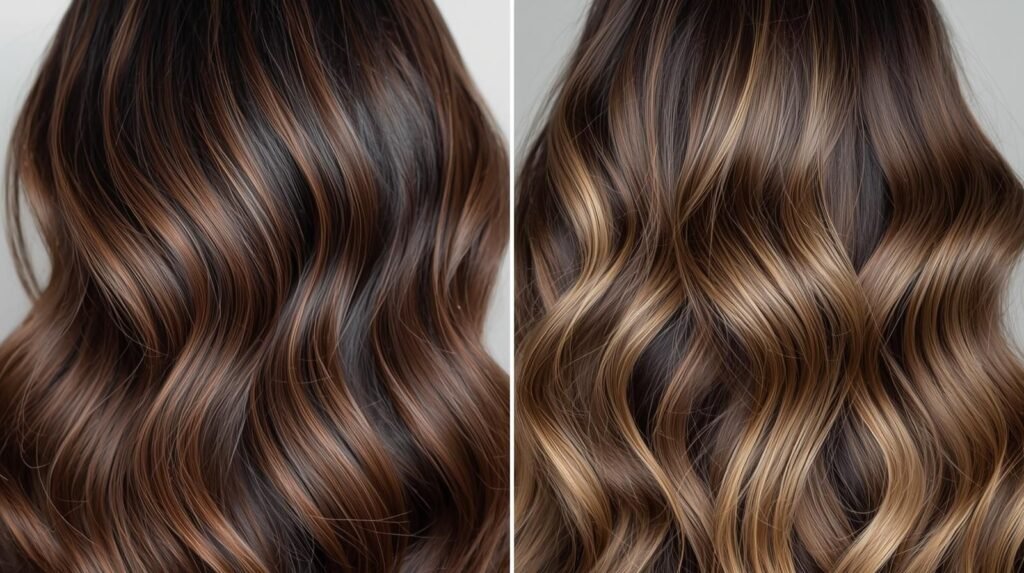
BLOG Apr 16 Balayage vs. Highlights: What’s Better for Dark Hair in Houston? balayage vs highlights, dark hair color, balayage Houston, hair highlights Houston, brunette hair color, hair color techniques, balayage brunette, foiled highlights, hair color maintenance, Houston hair salon Balayage vs. highlights on dark hair: softer, blended dimension on the left vs. brighter, more defined ribbons on the right. On dark hair, the difference between “expensive color” and “brassy stripes” often comes down to one detail: how the lightener is applied and how the tone is refined afterward with a toner or gloss. If you’re in Houston, TX, you also have to factor in humidity, hard water, and lots of outdoor time, all of which can push brunette hair toward warmth, frizz, and faster fade. Quick Answer for Houston: Which Technique Wins for Dark Hair? Both balayage and highlights can look incredible on dark hair, including brunette hair and black hair. The “better” choice depends on how much contrast you want, how often you’re willing to do touch-ups, and what your budget allows for salon visits. Houston’s humidity can puff up the cuticle and create frizz, which makes the dimension look less crisp between appointments. Hard water can leave mineral buildup that dulls shine and shifts tone, especially on lightened pieces. Pick balayage if you want a softer grow-out and a natural look that stays believable as it fades. Pick foiled highlights if you want brighter, more defined lift with a structured look. Best-Case Matches by Goal Balayage is the safer bet for a subtle appearance and lived-in color that doesn’t scream “I just got my hair done.” It’s also the technique most people love when they want a sun-kissed look without frequent root maintenance. Foiled highlights win when you want high-impact brightness and more even lift levels across the head. They’re also better when you want a more “done” finish with clear ribbons of blonde. What Balayage Is (And How It Behaves on Dark Hair) Balayage is freehand painting: your colorist paints lightener onto the surface of selected sections to create a soft gradient from darker roots to lighter ends. If you’re new to the technique, this breakdown of balayage hair helps explain how the freehand painting method creates a softer, more natural finish. Because it’s not wrapped in foils by default, the lift is often gentler and the transition is intentionally diffused. On dark hair, balayage usually needs strategic placement and realistic expectations about how light you can go in one appointment. Dark bases lift through warm stages because of underlying pigment, so orange tones and yellow tones are common unless the formula and timing are dialed in. The best balayage outcomes on brunettes are lived-in dimension, face-framing brightness, and softer contrast that doesn’t leave harsh lines at the root. A root smudge or root shadow can make the blend even smoother, especially if you want a true color melt. Common Balayage Variations for Brunettes Warm-toned brunette hair often looks best with caramel highlights, honey blonde, or golden beige blonde pieces that mimic natural sun exposure. Cool-toned brunette hair usually needs ash tones or beige-leaning toners to avoid a coppery finish. A face-framing “money piece” is the add-on Houston clients ask for most because it brightens photos and still feels low commitment. You can keep the money piece soft for a subtle appearance, or push it brighter for a more dramatic look. If you’re deciding between techniques, it helps to see how placement changes the final result, especially on darker bases. This breakdown of the differences between painted color and foiled blonding is a useful reference: how foil placement compares to hand-painted lightening. What Highlights Are (And Why Foils Matter on Dark Hair) Highlights lighten selected strands, and on dark hair they’re commonly done with foils for control and stronger lift. Foils trap heat and keep the bleach or lightener moist, which helps you reach lighter levels more evenly. On black hair or very deep brunette hair, foils can be the difference between “warm brown shimmer” and “actually blonde pieces.” They also allow more predictable saturation, which matters when you want consistent brightness from the mid-lengths through the ends. The best highlight outcomes are a structured look with brighter ribbons and more uniform lightness across the head. If you want contrast that reads from across the room, highlights usually deliver faster than balayage. Highlight Types You’ll Hear in Houston Salons Partial highlights focus on the hairline, top, and crown, so you get impact where it shows without paying for full coverage. Full highlights cover the whole head and are the go-to for maximum brightness or widespread gray blending. Babylights are very fine highlights that create a soft shimmer and natural look, especially around the face. Chunky highlights are thicker sections for bolder contrast and a more dramatic look. Balayage vs. Highlights: Key Differences That Matter for Dark Hair Balayage looks diffused and sun-kissed, with brightness that melts through the ends. Highlights look more defined and patterned, which reads cleaner and more intentional. Grow-out is where balayage usually wins for dark hair. Because the root is left deeper and the transition is soft, regrowth is less obvious and touch-ups can be spaced out. Foils offer more control and predictability when you need lift. Freehand painting offers softer transitions, but it can be less uniform if you’re chasing very bright blonde on a dark base. Brassiness Risk and Tone Control Dark hair lifts through warm stages because the underlying pigment shows up as warmth during lightening. That warmth can present as orange tones first, then yellow tones as you go lighter. Foils can lift faster and more evenly, but that doesn’t automatically mean less brassiness. Brassiness comes from lift level, processing time, developer choice, and whether the hair has old color or mineral buildup. A toner or gloss is usually non-negotiable for brunettes who want beige blonde, ash tones, or a cleaner finish. If you hate warmth, say it clearly, because “not brassy” means different things to different people. Side-by-Side Comparison
